
Hydration
Hydration Basics: Making Water Part of Your Daily Routine
Staying hydrated sounds simple: drink water when you are thirsty.
By HealthyLivingHub Editorial Team
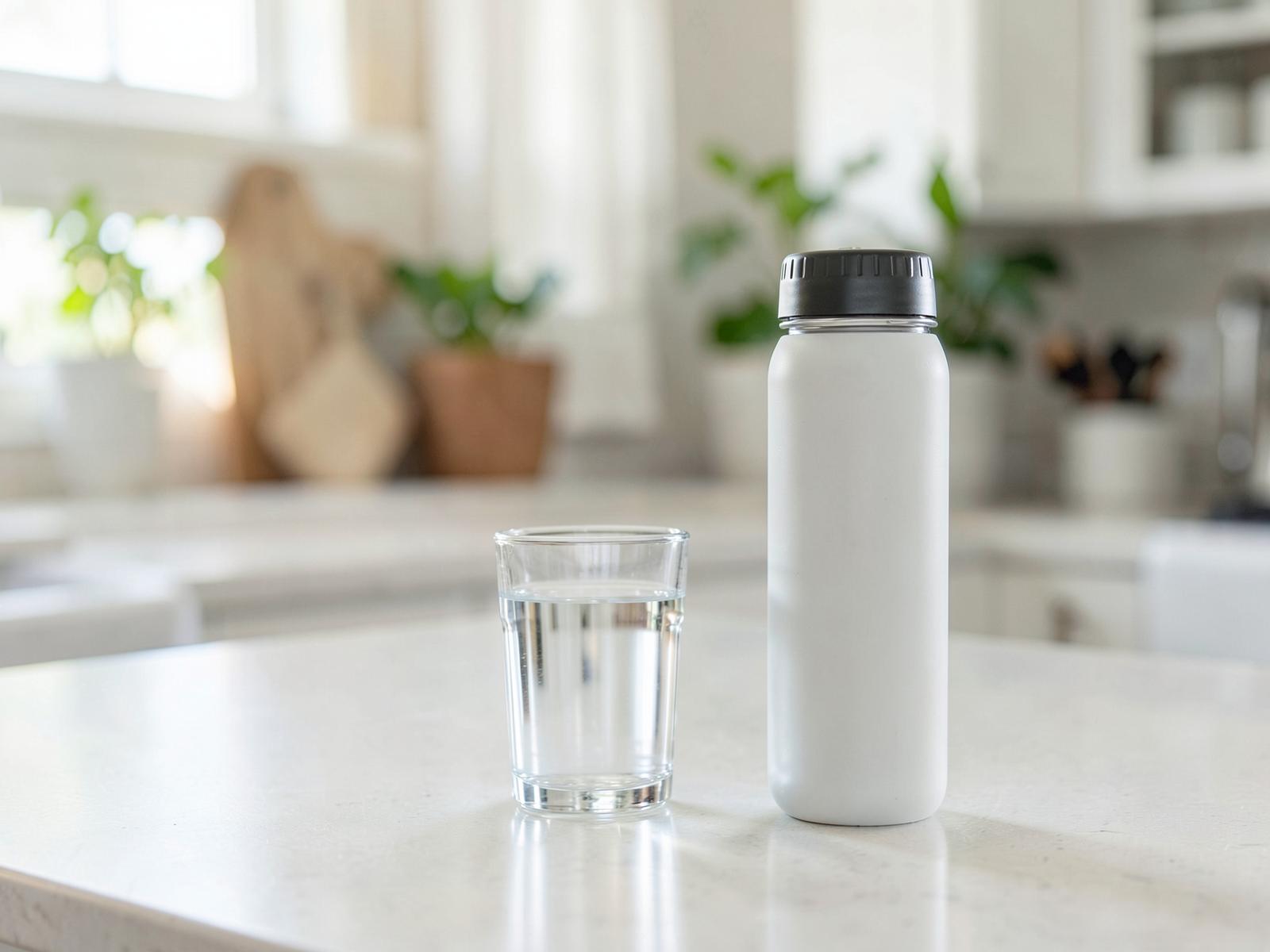
In everyday life, though, it can be surprisingly easy to reach the end of the day and realize you have barely touched your water bottle. Busy schedules, long stretches at a desk, travel, exercise, changing weather, and even simple forgetfulness can all affect how regularly we drink.
The goal does not need to be perfect hydration or hitting an exact number every day. A more practical approach is to make fluids a normal part of your routine and learn to recognize when your needs may change.
Why hydration matters
Water is involved in many of the body's basic functions. It helps regulate body temperature, supports digestion, carries nutrients, and replaces fluid lost throughout the day.
We continually lose water through breathing, perspiration, urine, and normal digestive processes. Those losses increase in certain situations, including hot weather and physical activity.
That is why hydration is less about drinking a particular amount at one specific time and more about replacing fluids consistently over the course of the day.
There is no single amount that fits everyone
You may have heard rules such as “eight glasses a day.” That can be a useful reminder to drink regularly, but fluid needs are not identical for everyone.
How much fluid you need can vary based on factors such as:
- body size
- activity level
- climate and temperature
- how much you perspire
- foods you eat
- pregnancy or breastfeeding
- certain medications
- individual health conditions
Water is an excellent default choice, but it is not the only source of fluid. Milk, tea, coffee, soups, fruits, vegetables, and other foods and beverages also contribute to overall fluid intake.
For most people, the more useful question is not “Did I hit the perfect number?” but “Am I drinking regularly enough for my circumstances?”
Let thirst be one of your signals
Thirst is an important built-in reminder to drink.
For everyday activities, paying attention to thirst and making water readily available can go a long way toward maintaining normal hydration.
There are situations where thirst may not be the only consideration. Older adults, people exercising for prolonged periods, and people spending significant time in hot environments may need to be more intentional about fluid intake.
Rather than waiting until you feel extremely thirsty, it can help to build simple drinking opportunities into your day.
Make water part of routines you already have
Hydration habits tend to work better when they are connected to something you already do.
For example, you might drink water:
- after waking up
- with breakfast
- when you arrive at work
- with lunch
- before or after a walk
- during exercise
- with dinner
- when you refill your coffee or tea
These small cues can be easier to maintain than trying to remember to drink a large amount all at once.
A reusable bottle or glass that stays within sight can help too. Sometimes simply seeing water is enough to prompt you to drink it.
Hydration and physical activity
Exercise increases fluid loss, particularly when activity is longer, more intense, or performed in warm conditions.
For a typical walk or moderate everyday workout, water is often a practical beverage choice. Longer or more demanding activity can involve greater losses of both fluid and electrolytes.
Your needs may also change considerably depending on how much you sweat. Two people doing the same workout can lose very different amounts of fluid.
Rather than adopting a complicated hydration strategy for ordinary activity, start with the basics:
- begin activity reasonably hydrated
- keep water accessible
- drink according to thirst and conditions
- replace fluids after activity
- pay extra attention during heat or prolonged exercise
People participating in endurance events or unusually demanding exercise may benefit from more individualized hydration planning.
If you are building an everyday routine, Building a Simple Home Fitness Routine is a practical place to start.
Hot weather changes the equation
Warm and humid conditions can increase perspiration and fluid losses even when you are not exercising intensely.
On hotter days, make water easier to access and drink regularly throughout the day. Outdoor work, gardening, walking, sports, and travel can all increase the need to pay attention to fluids.
Do not wait for a rigid schedule to tell you when to drink. Your activity level, environment, and thirst provide useful context.
Food can contribute to hydration too
Hydration does not come only from a glass or bottle.
Many foods naturally contain substantial amounts of water. Examples include:
- watermelon
- oranges
- berries
- grapes
- cucumbers
- tomatoes
- lettuce
- soups
- yogurt
A varied diet that includes fruits and vegetables contributes fluid along with nutrients and can complement the water you drink throughout the day.
What about coffee and tea?
Coffee and tea contain water and can contribute to daily fluid intake.
Caffeine can have a mild diuretic effect, particularly in people who are not accustomed to it, but moderate amounts of caffeinated beverages can still contribute to overall hydration.
That does not mean coffee should replace water throughout the day. It simply means you do not need to think of every cup of coffee or tea as working against your hydration.
Water remains a simple, calorie-free option that is easy to make part of everyday routines.
Do you need electrolyte drinks?
For most routine daily activities, many people can meet their hydration needs with water and a normal varied diet.
Electrolyte beverages may be useful in certain circumstances, such as prolonged exercise, heavy perspiration, or extended activity in hot conditions. They can also contain significant amounts of sugar or sodium, depending on the product.
The fact that a drink contains electrolytes does not automatically make it a better everyday beverage.
For ordinary hydration, simplicity is often enough.
A few practical ways to drink more water
If drinking water regularly does not come naturally, make the behavior easier rather than relying entirely on willpower.
Try a few simple changes:
Keep water visible.
Place a bottle or glass where you spend the most time.
Carry water when you leave home.
Having it available makes drinking more convenient.
Pair water with meals.
Meals create natural reminders several times each day.
Refill before the bottle is completely empty.
An empty bottle sitting across the room is not very useful.
Choose a bottle you actually like using.
Size, lid style, weight, and ease of cleaning can make a surprising difference.
Add flavor if plain water feels boring.
Fresh citrus, berries, cucumber, or herbs can add flavor without requiring a heavily sweetened drink.
Adjust for your day.
A cool day at home and a summer afternoon spent outdoors are not the same hydration situation.
Avoid turning hydration into another rule to obsess over
Healthy habits tend to work best when they fit naturally into everyday life.
You do not need to carry an enormous bottle everywhere, force yourself to drink when you are uncomfortable, or judge your day by whether you reached an arbitrary ounce target.
Drinking excessive amounts of water can also be harmful in unusual circumstances, particularly when large amounts are consumed rapidly.
The better goal is consistency: make fluids available, respond to thirst, adjust for activity and heat, and allow hydration to become one ordinary part of taking care of yourself.
When hydration needs deserve individual guidance
General hydration advice is not appropriate for every medical situation.
People with certain kidney, heart, endocrine, or other health conditions may receive specific instructions about fluid or sodium intake. Some medications can also influence hydration needs.
If you have been advised to restrict or closely manage fluids, follow the guidance of your healthcare professional rather than general hydration recommendations.
Keep it simple
Hydration does not need to become a complicated wellness project.
Start by making water easy to reach. Drink with meals. Carry it when you are active or away from home. Pay attention to thirst, weather, exercise, and how your routine changes from one day to the next.
Small, repeatable habits are usually more useful than chasing a perfect number.