
Everyday nutrition
Simple Ways to Make Healthy Eating Easier
Eating well can become unnecessarily complicated.
By HealthyLivingHub Editorial Team
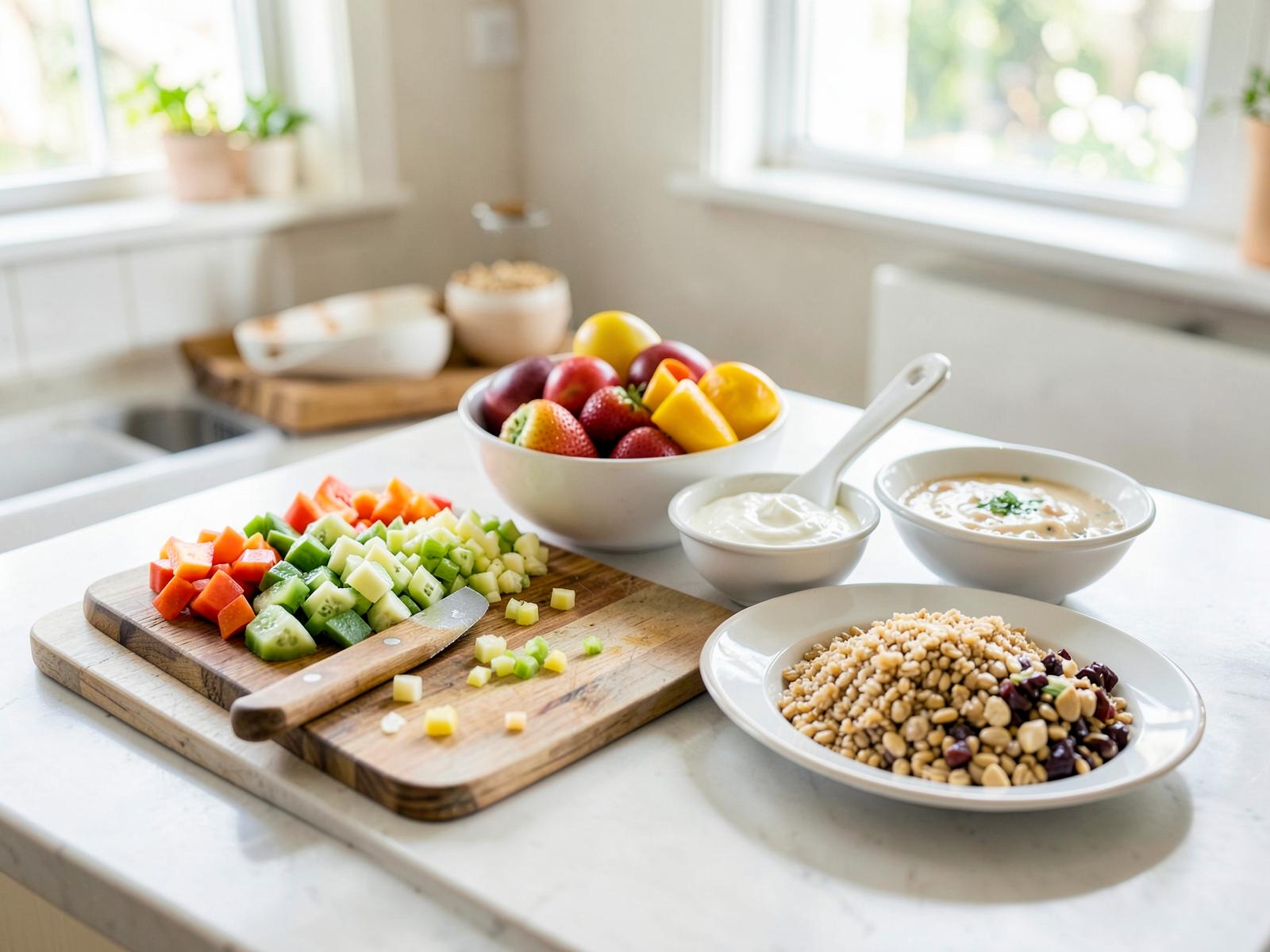
Meal plans, food rules, conflicting nutrition advice, and ambitious recipes can make everyday eating feel like another project that requires constant attention.
For most people, a more practical approach is to make nutritious choices easier to access and easier to repeat.
You do not need to eat perfectly. You need a routine that works often enough to support the way you want to live.
Make the easier choice a useful choice
Convenience strongly influences what we eat.
When you are hungry and short on time, the food that is easiest to prepare often wins.
Instead of relying entirely on motivation, arrange your kitchen so useful options are convenient.
That might mean keeping:
- fruit where you can see it
- washed vegetables ready to use
- yogurt or other simple foods available
- frozen vegetables in the freezer
- whole-grain options in the pantry
- easy protein sources on hand
Healthy eating becomes easier when it requires fewer decisions.
Build meals from familiar components
You do not need a new recipe for every meal.
Many meals can be assembled from a few basic components:
- a protein source
- vegetables or fruit
- a grain, potato, or other carbohydrate source
- a source of fat
- herbs, spices, sauces, or other flavorings
This approach allows variety without requiring complicated planning.
The exact proportions and foods can vary based on preferences, culture, dietary needs, and appetite.
Keep a few reliable meals
There is nothing wrong with repetition.
Having several meals you know how to prepare quickly reduces the number of decisions required during a busy week.
Examples might include:
- eggs with vegetables and toast
- oatmeal with fruit and nuts
- grain bowls
- salads with protein
- sandwiches or wraps
- soups
- simple stir-fries
- roasted vegetables with a protein and grain
Reliable does not have to mean boring. Small changes in seasonings, vegetables, sauces, and sides can create variety.
Use frozen and canned foods
Fresh food is not automatically more nutritious or practical for every situation.
Frozen fruits and vegetables can be convenient, have a long storage life, and reduce food waste.
Canned beans, tomatoes, tuna, vegetables, and other staples can make meals easier to assemble.
When appropriate, compare labels for sodium, added sugar, or other ingredients that matter to you.
Convenience can support healthy eating rather than work against it.
Plan enough, but not too much
Some people enjoy planning an entire week of meals. Others find that approach restrictive.
A simpler system can work just as well.
Before shopping, consider:
- which meals you will realistically eat at home
- which foods you already have
- several easy meals you can assemble
- what fresh foods need to be used first
- a few backup options for busy days
The goal is not perfect forecasting. It is reducing the chance that you reach dinner with no practical plan.
Prepare ingredients instead of entire meals
Meal preparation does not have to mean cooking seven identical containers of food on Sunday.
You can prepare individual ingredients instead.
For example:
- wash produce
- cook a grain
- roast vegetables
- prepare a protein
- portion snacks
- make a simple dressing or sauce
These components can then be combined differently throughout the week.
Do not overlook snacks
Snacks can be useful when there is a long gap between meals or when your schedule changes.
Keeping simple options available can prevent a temporary schedule problem from turning into an emergency food decision.
Possible options include:
- fruit
- nuts
- yogurt
- vegetables with hummus
- whole-grain crackers
- cheese
- other foods that fit your preferences
Snacking does not need its own complicated set of rules.
Make food enjoyable
Healthy eating should not require removing everything you enjoy.
Flavor matters.
Herbs, spices, citrus, sauces, dressings, roasting, grilling, and different textures can make simple foods more appealing.
An eating pattern is more likely to last when you actually like the food.
Leave room for normal life
Restaurants, celebrations, travel, dessert, holidays, and spontaneous meals are part of life.
One meal does not define an overall eating pattern.
An overly rigid approach can make healthy eating harder to maintain because every deviation begins to feel like failure.
A practical routine should have enough flexibility to survive real life.
Avoid the all-or-nothing mindset
People sometimes abandon a healthy routine because one meal did not go as planned.
There is no need to wait until Monday, next month, or a new year to resume normal habits.
The next meal is simply another opportunity to make a choice that works for you.
Make changes that reduce friction
The most sustainable improvements are often surprisingly ordinary.
Keep useful foods available. Learn a few easy meals. Prepare ingredients when it helps. Build a grocery list around foods you actually eat.
Healthy eating becomes easier when your environment and routine support it.