
Mobility
A Practical Guide to Stretching and Mobility
Stretching and mobility often get treated as something you should do after a workout, but they can be useful well beyond exercise.
By HealthyLivingHub Editorial Team
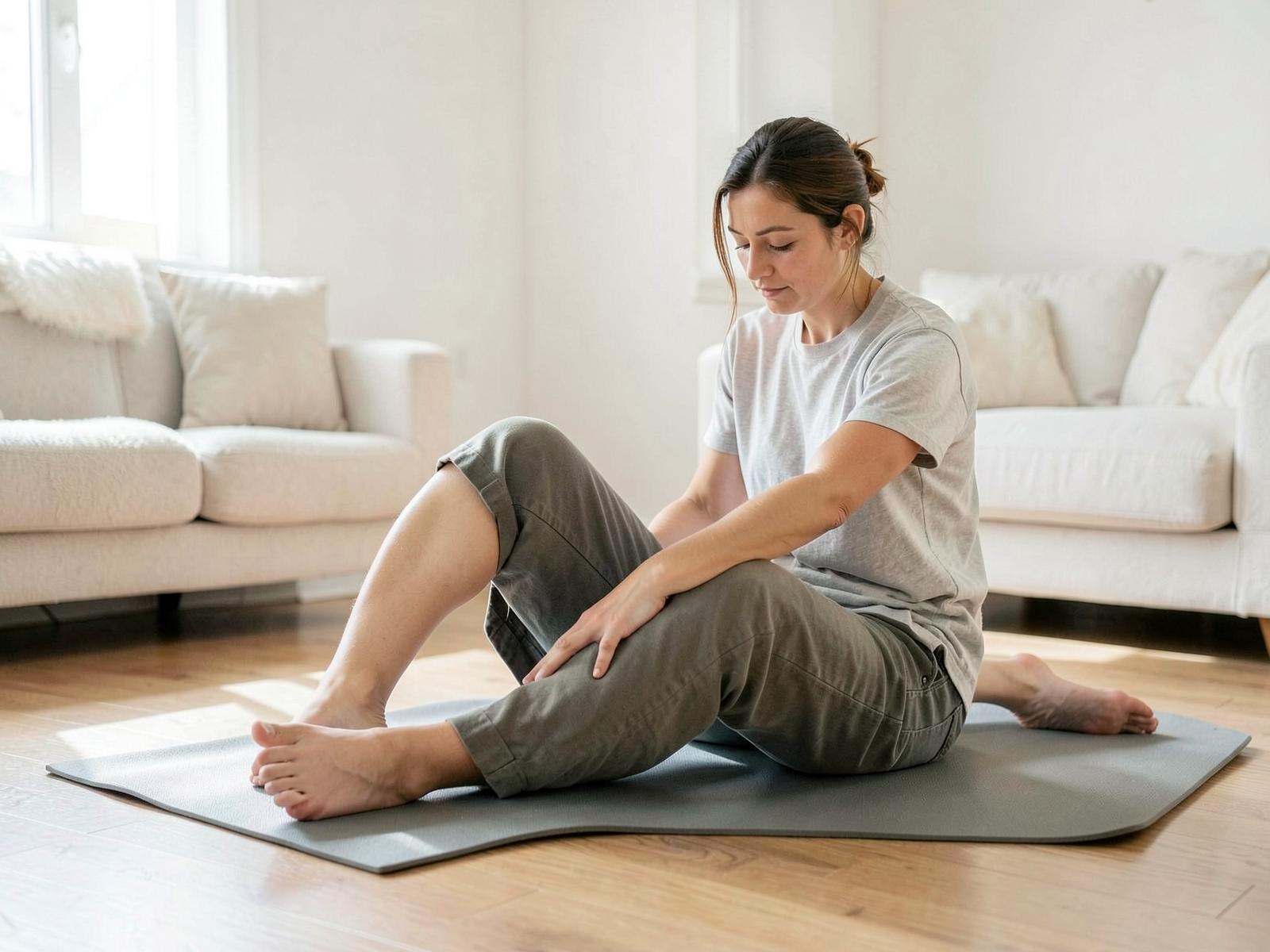
Sitting for long periods, repeating the same movements, working at a desk, driving, exercising, and simply getting older can all affect how comfortable different movements feel.
The goal does not need to be extreme flexibility. For most people, a more useful goal is maintaining enough comfortable movement to support everyday activities and the types of exercise you enjoy.
Why movement can start to feel restricted
Mobility can be influenced by many factors, including:
- long periods of sitting
- repetitive activities
- exercise habits
- muscle tension
- previous injuries
- activity level
- age
- individual anatomy
Feeling stiff after sitting at a desk all afternoon does not necessarily mean something is wrong. Often, your body simply benefits from changing positions and moving more frequently.
You do not need a long stretching routine
A common reason people skip mobility work is the belief that it requires a separate 30-minute session.
It does not.
A few minutes of purposeful movement can be easier to maintain and may fit naturally into other parts of your day.
You might add mobility work:
- after waking up
- during a work break
- before exercise
- after a walk
- after a workout
- in the evening
Consistency is usually more useful than creating an elaborate routine you rarely perform.
Dynamic movement before activity
Before exercise, many people prefer movements that gradually take joints through comfortable ranges rather than holding long static stretches.
Examples might include:
- arm circles
- shoulder rolls
- controlled torso rotations
- leg swings
- bodyweight squats
- walking lunges
- ankle movements
The purpose is not to force a greater range of motion. It is to prepare your body for the movements you are about to perform.
Start gradually and stay within a range that feels controlled.
Static stretching
Static stretching generally involves moving into a position and holding it for a period of time.
This can be useful after activity or as part of a separate flexibility routine.
Common areas people choose to stretch include:
- calves
- hamstrings
- quadriceps
- hips
- chest
- shoulders
- upper back
A stretch may create mild tension, but it should not require forcing your body into an uncomfortable position.
Sharp pain is a reason to stop rather than push farther.
Mobility should support the activities you actually do
You do not need equal mobility everywhere.
A golfer, runner, cyclist, weightlifter, gardener, and person who mainly wants to move comfortably through daily life may have different priorities.
Think about the activities you perform regularly.
If you spend most of your workday seated, movements involving the hips, upper back, shoulders, and ankles may feel particularly useful.
If you strength train, mobility work can support comfortable positions used in exercises such as squats, presses, and pulling movements. Building a Simple Home Fitness Routine covers a simple way to structure that kind of training.
The goal is useful movement, not flexibility for its own sake.
Take movement breaks during the day
One of the simplest mobility strategies does not require a formal stretching routine at all.
Change positions.
Stand up after sitting for a long period. Walk around the room. Reach overhead. Move your shoulders. Take a brief walk.
Frequent small changes in position can help break up long periods of inactivity.
You do not need to turn every break into a workout.
A simple mobility routine
A basic routine might include a few controlled movements for major areas of the body:
Shoulders and upper back
Gentle shoulder circles and controlled upper-body rotations.
Hips
Comfortable hip circles, lunges, or other movements that take the hips through their normal range.
Ankles
Controlled ankle circles or movements that allow the knee to travel comfortably over the foot.
Legs
Gentle movements or stretches for the calves, hamstrings, and quadriceps.
Five or ten minutes can be enough to establish the habit.
Do not chase discomfort
More intense stretching is not automatically better.
Progress in flexibility and mobility can take time. Trying to force a position can create unnecessary discomfort and may increase the chance of irritation or injury.
Move slowly, stay controlled, and allow your range of motion to develop gradually.
When professional guidance may help
Persistent pain, significant loss of movement, swelling, instability, or limitations following an injury deserve more individualized attention.
A physical therapist, physician, or other qualified professional can help determine whether a particular limitation requires assessment or a more specific exercise approach.
General mobility advice should not replace appropriate evaluation when movement is painful or significantly restricted.
Make mobility part of normal movement
Stretching and mobility do not need to become another complicated fitness program.
Move regularly. Change positions throughout the day. Use controlled movements before activity. Stretch comfortably when it feels useful.
The best mobility routine is often the one simple enough to keep doing.